
De Soto, Kansas
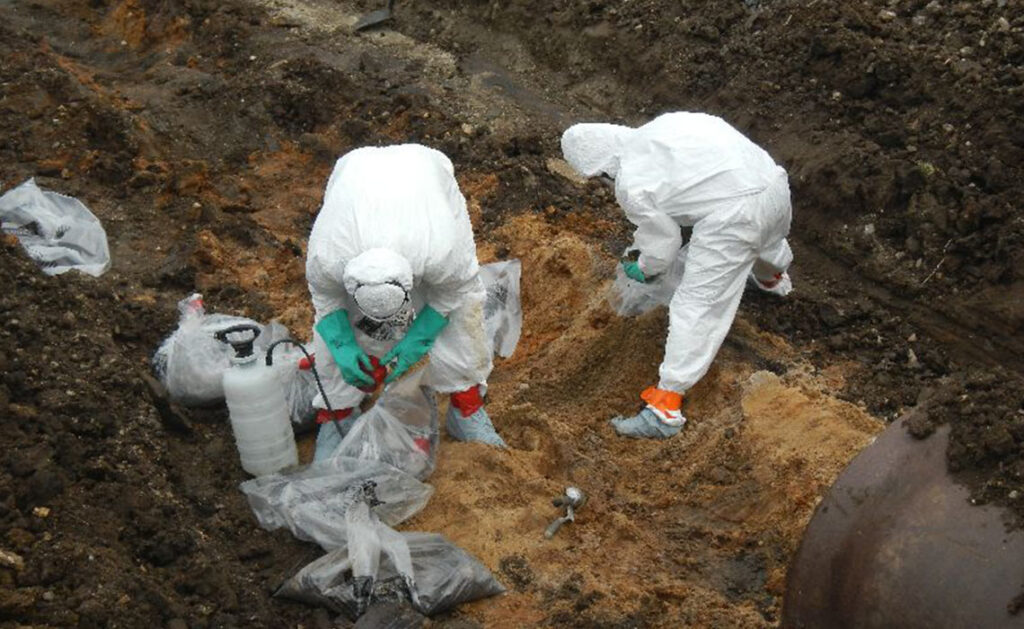
The Former Sunflower Army Ammunition Plant (SFAAP) encompasses approximately 9,060 acres roughly 20 miles southwest of Kansas City, Kansas. In 1942, the SFAAP commenced smokeless powder and propellant production for small weaponry, cannons, and rockets. The installation also manufactured and regenerated nitric and sulfuric acids and ammunitions proving. Since 1971, most of the facility has been operationally defunct; Nitroguanidine (NQ) production ceased in 1992. Across the expanse of the SFAAP property, there are 10 high-priority sites, ranging in size and severity of contamination, impacted by munitions and munitions-related pollutants. Primary COCs included explosives (Nitrocellulose, Nitroglycerine, and Nitroguanidine); RCRA metals, SVOCs, VOCs, TPHs, ammonia, pesticides, nitrates, and dioxins/furans.
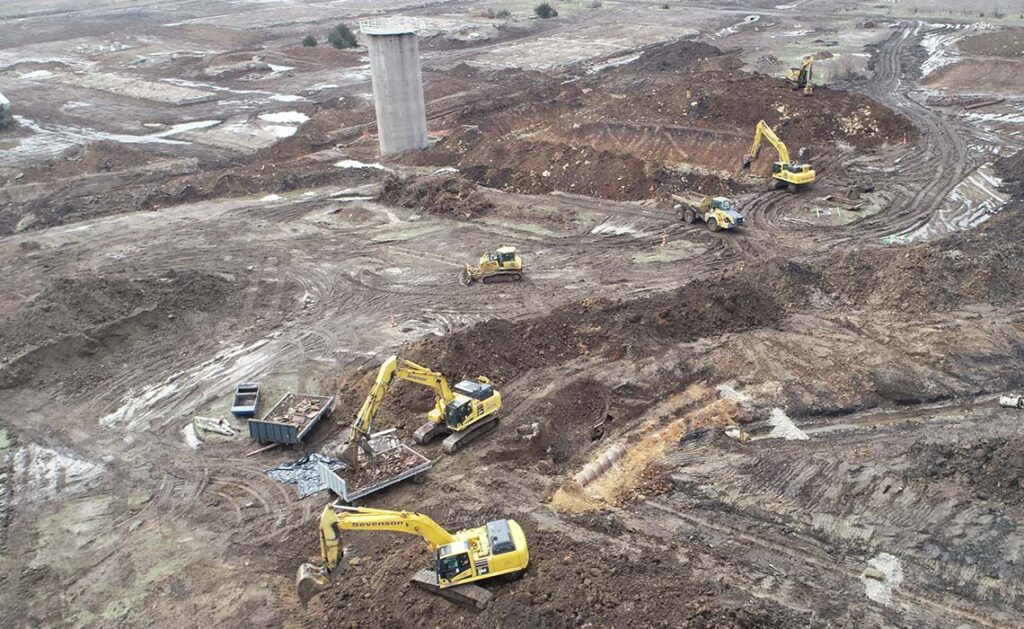
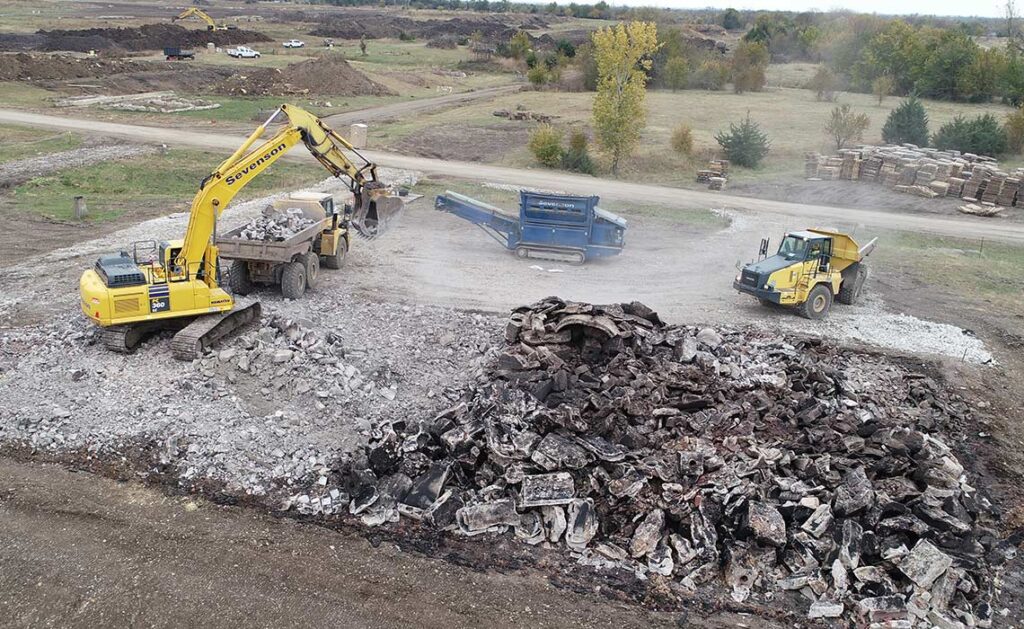
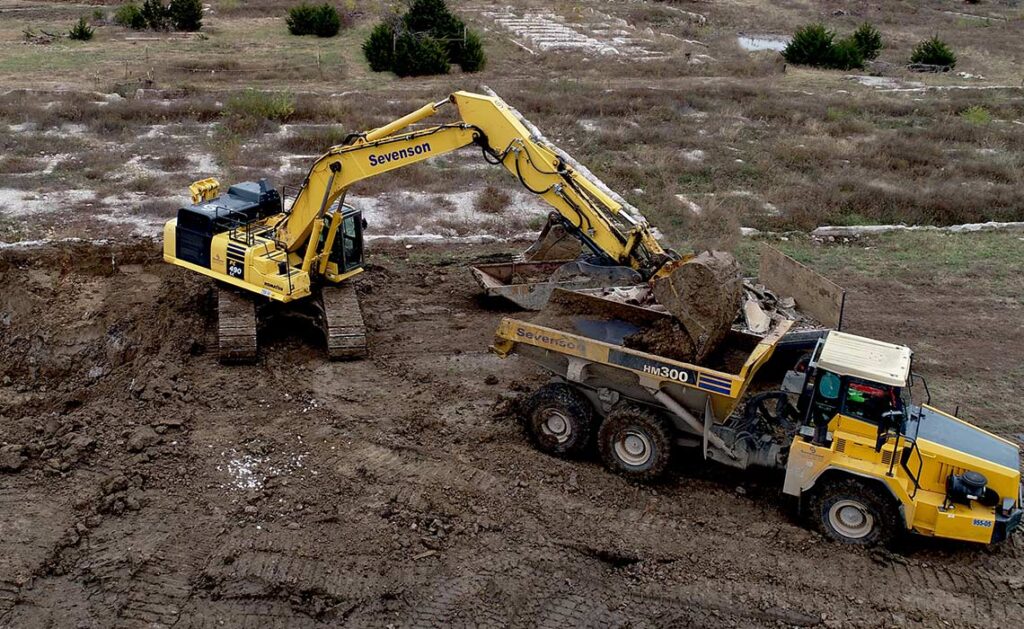
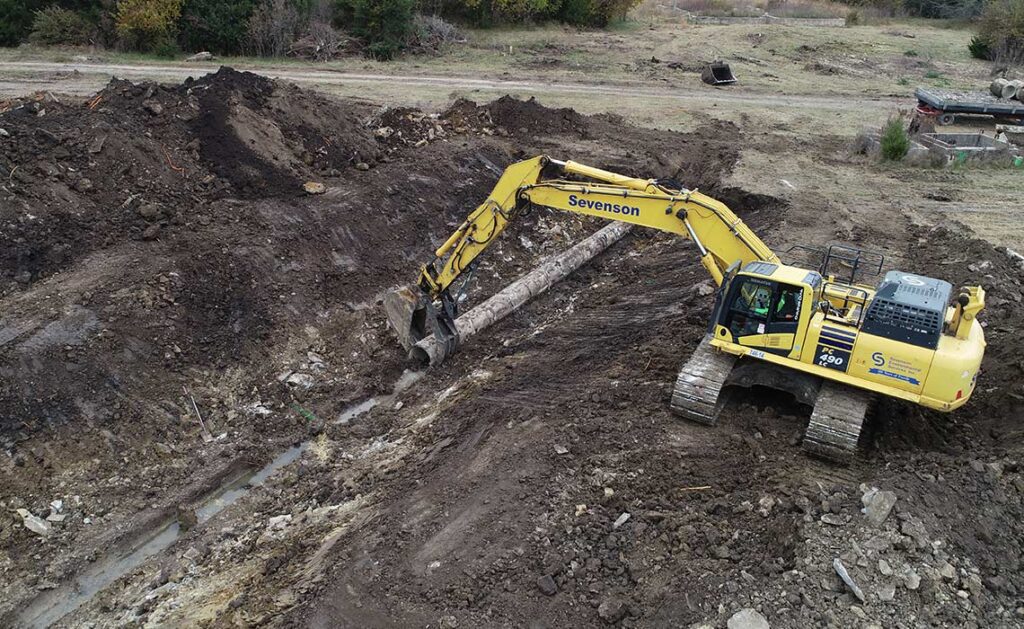
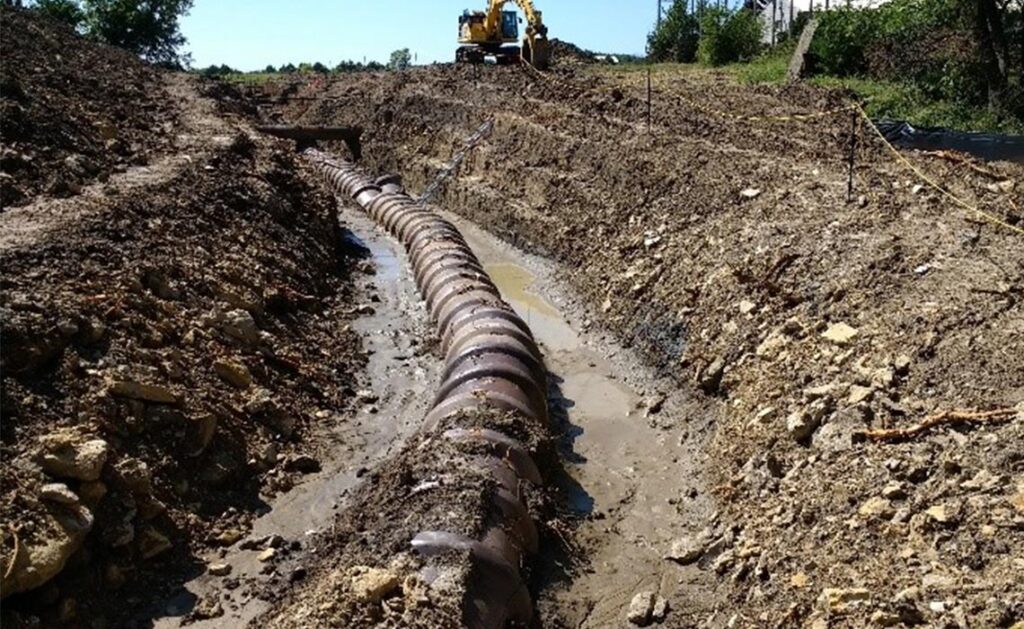
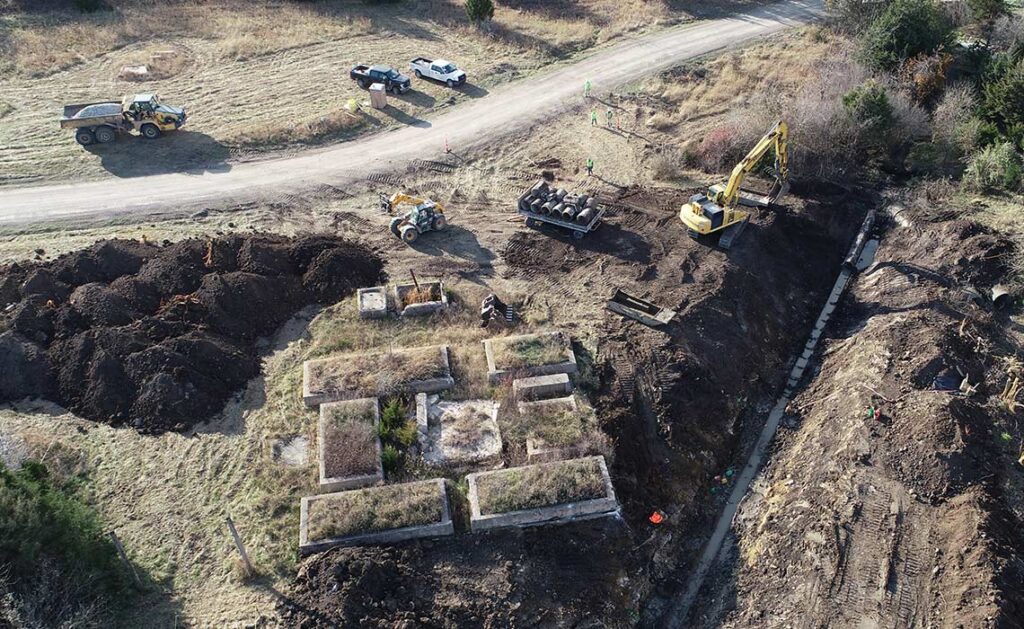
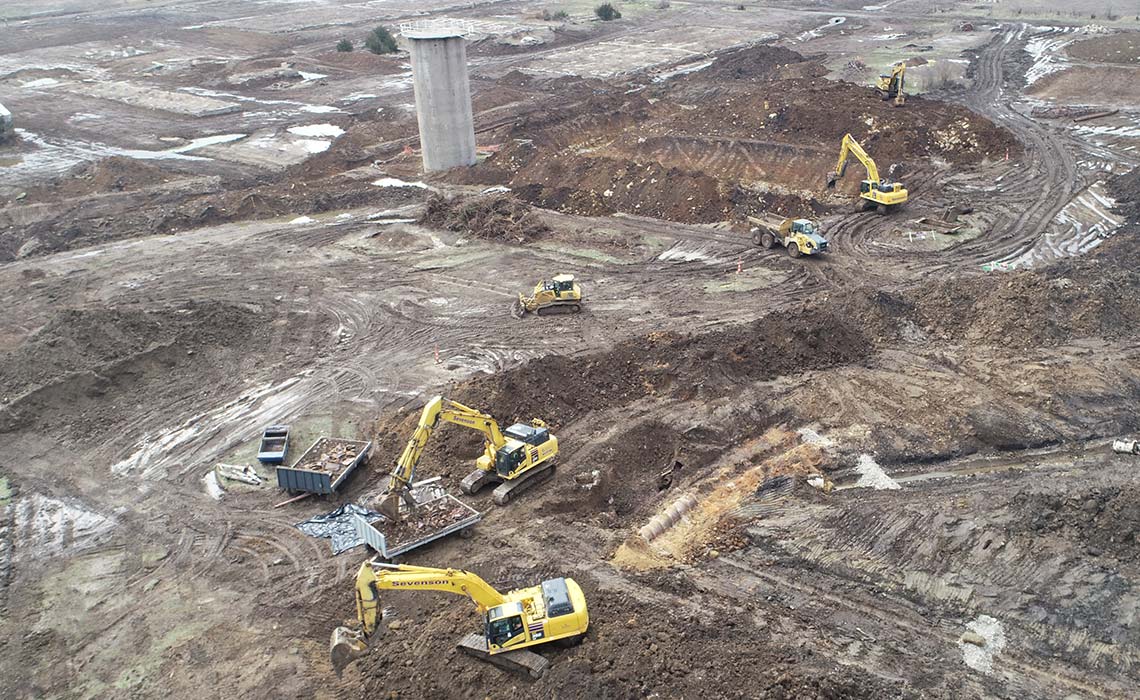
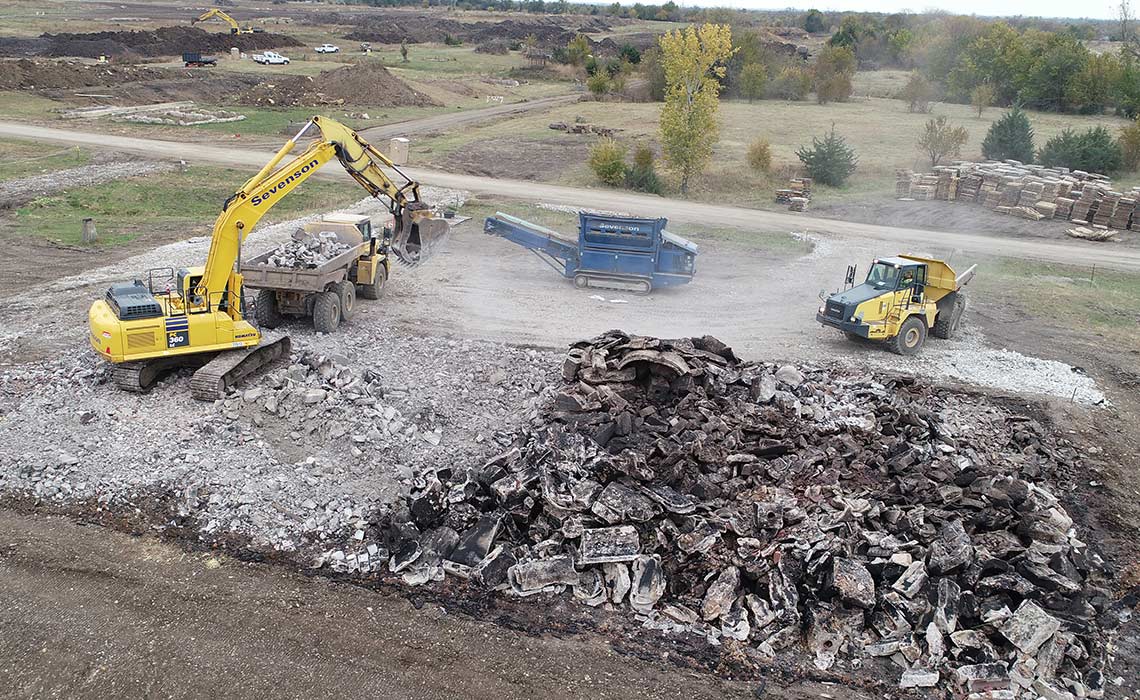
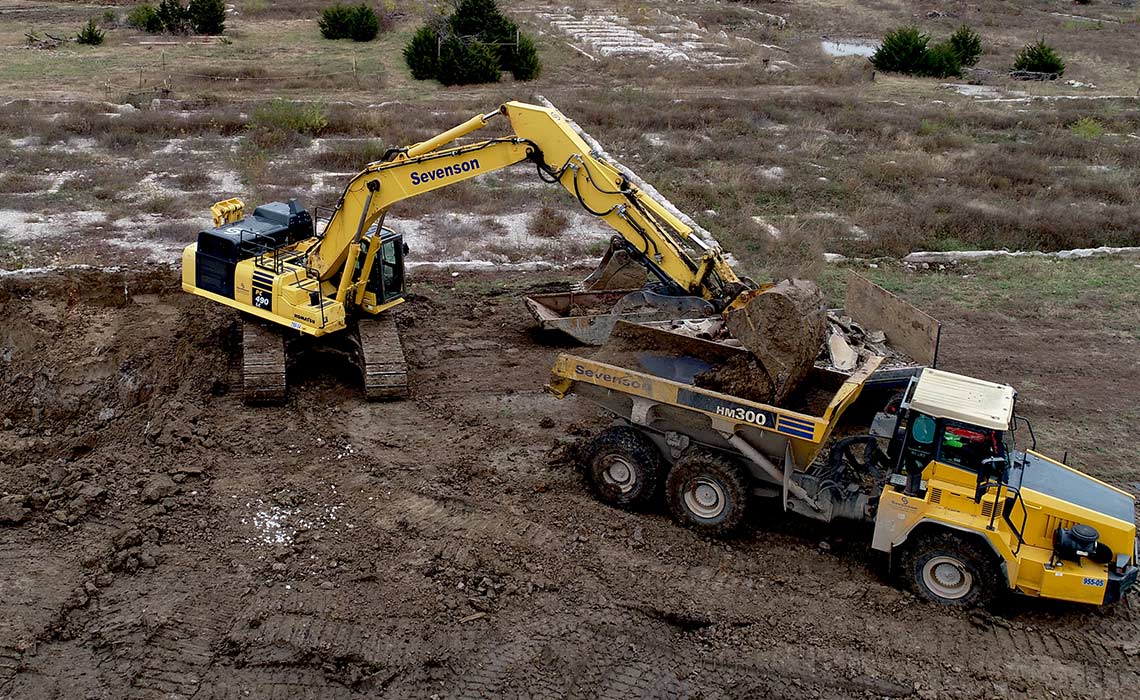
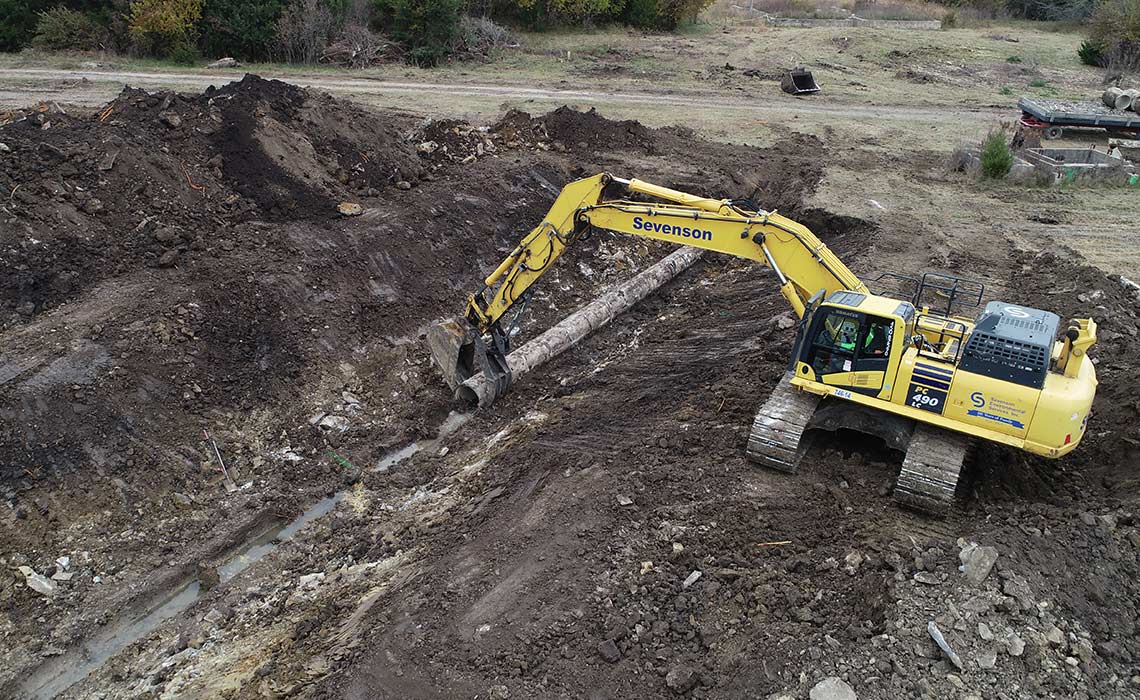
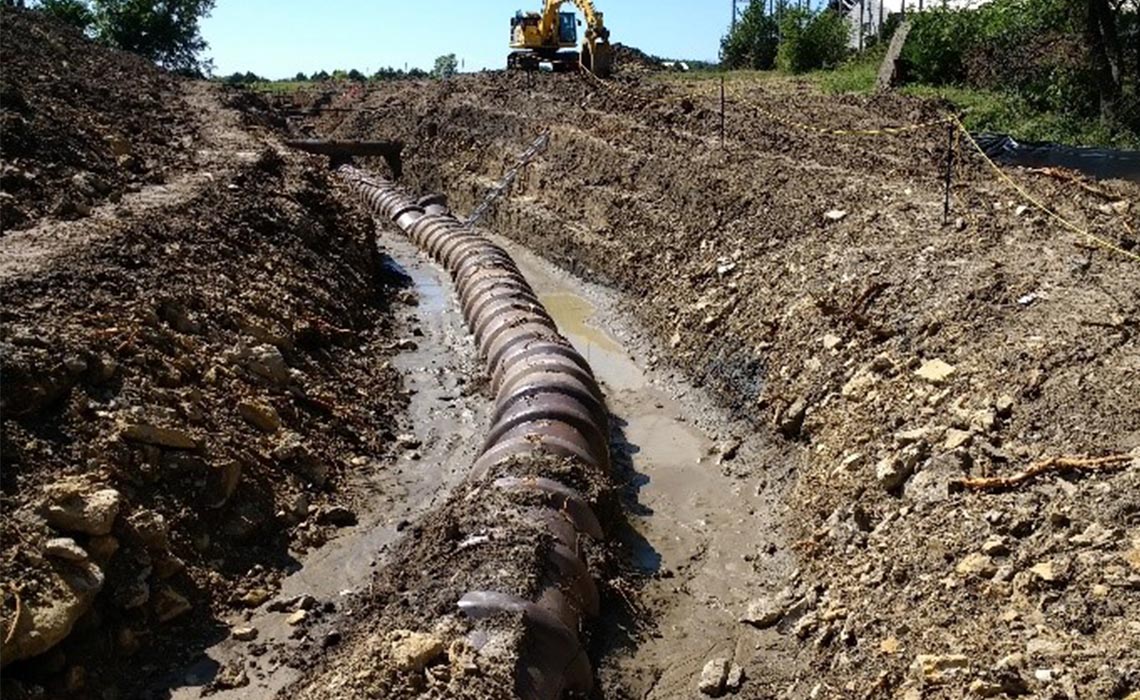
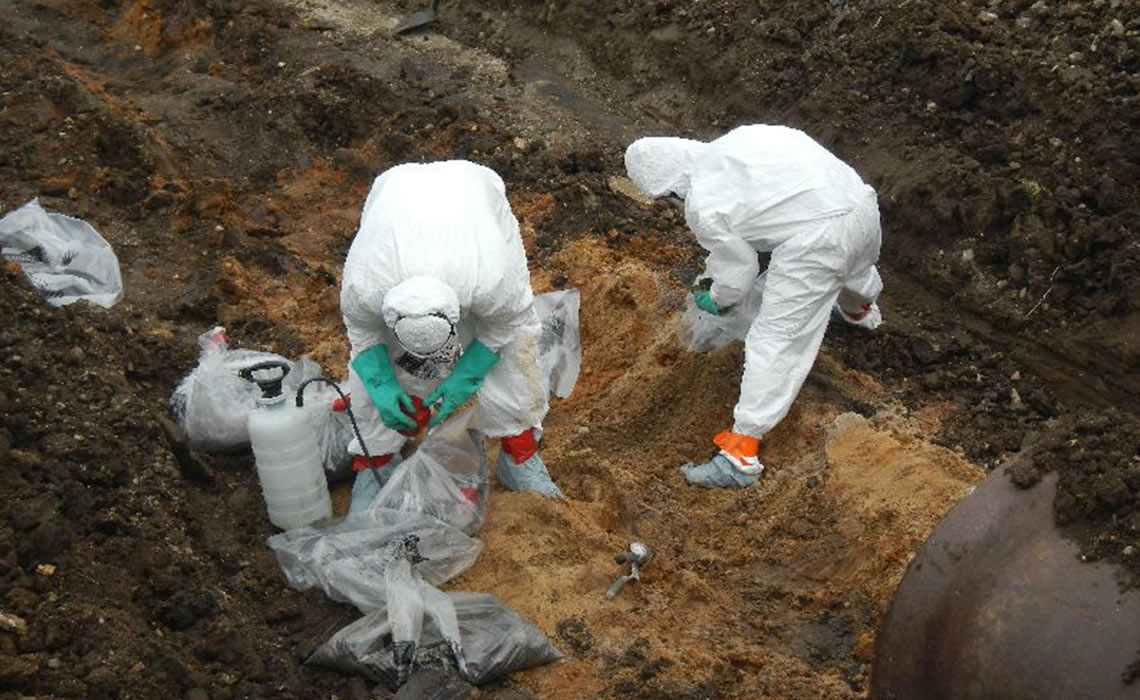
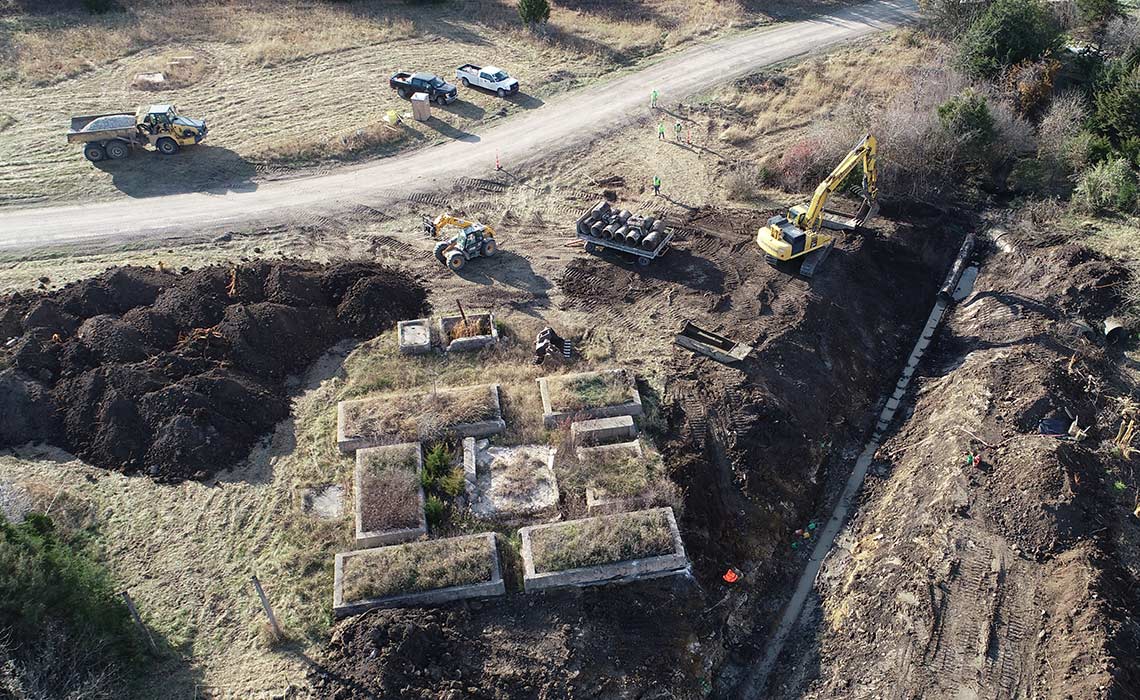
Sevenson performed remedial action work at the SFAAP under a Joint Venture with USA Environmental, Inc. (USAE). USAE performed removal of 171,765 LF of MEC-contaminated sewer lines at an average depth of 8-ft. BGS. Crews removed 623,018 SF of concrete building foundation remnants and removed 350,000 CY of contaminated soils. Additionally, in order to access buried sewer lines, Sevenson removed 1M CY of overburden soil that was reused on-site. Sevenson worked with local stakeholders, including hunters and cattle ranchers, to safely perform remedial work in different areas of the vast site.