
Oak Ridge, Tennessee
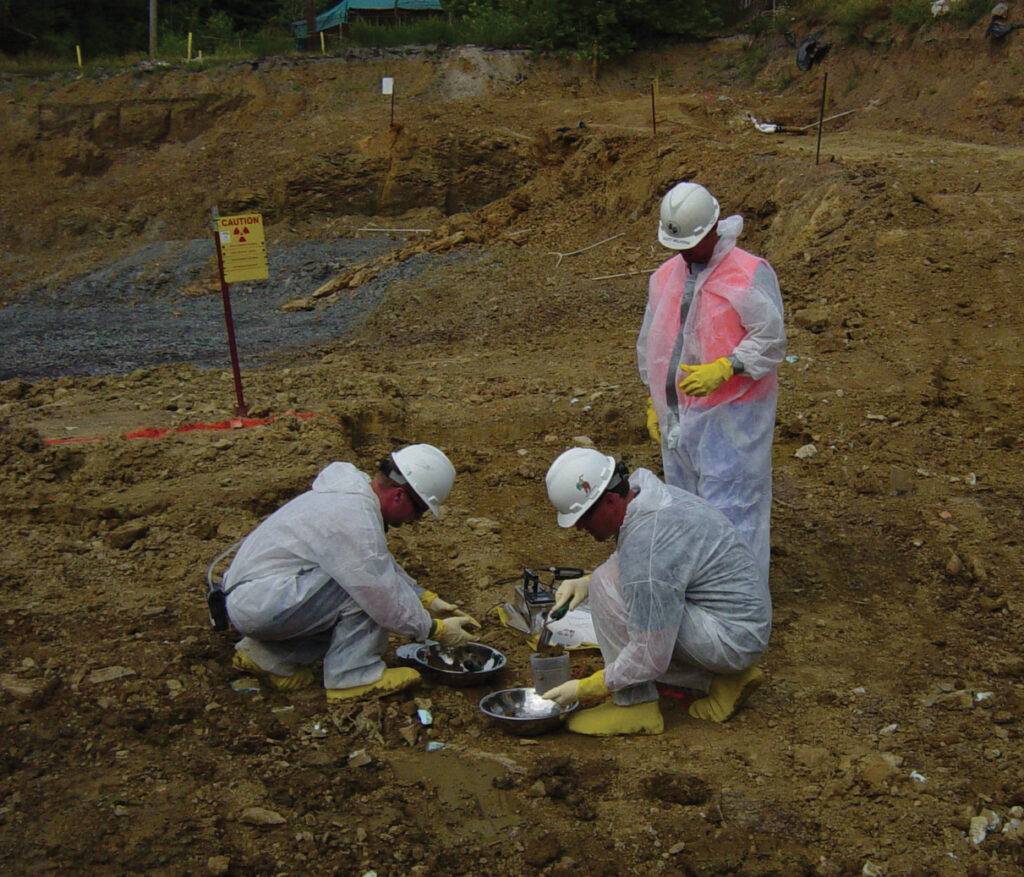
As part of the Oak Ridge National Laboratory (ORNL), the 1,000-acre Melton Valley area received a large percentage of the wastes and contaminants from more than four decades of ORNL’s operation, production, and research activities. Shallow land burial was the preferred method for disposal of low-level radioactive waste at Melton Valley from its inception in 1943 until its closure in 1986, and Solid Waste Storage Areas (SWSAs) 4, 5, and 6 were the principal waste burial sites. In addition, two burial grounds within Melton Valley were used during the 1950s and 1960s as the Atomic Energy Commission’s Southeastern Regional Burial Ground for radioactive wastes from more than 50 other nuclear facilities. Wastes and contaminants at Melton Valley consist primarily of strontium-90, cesium-137, and tritium, with cobalt-60 also found in some areas.
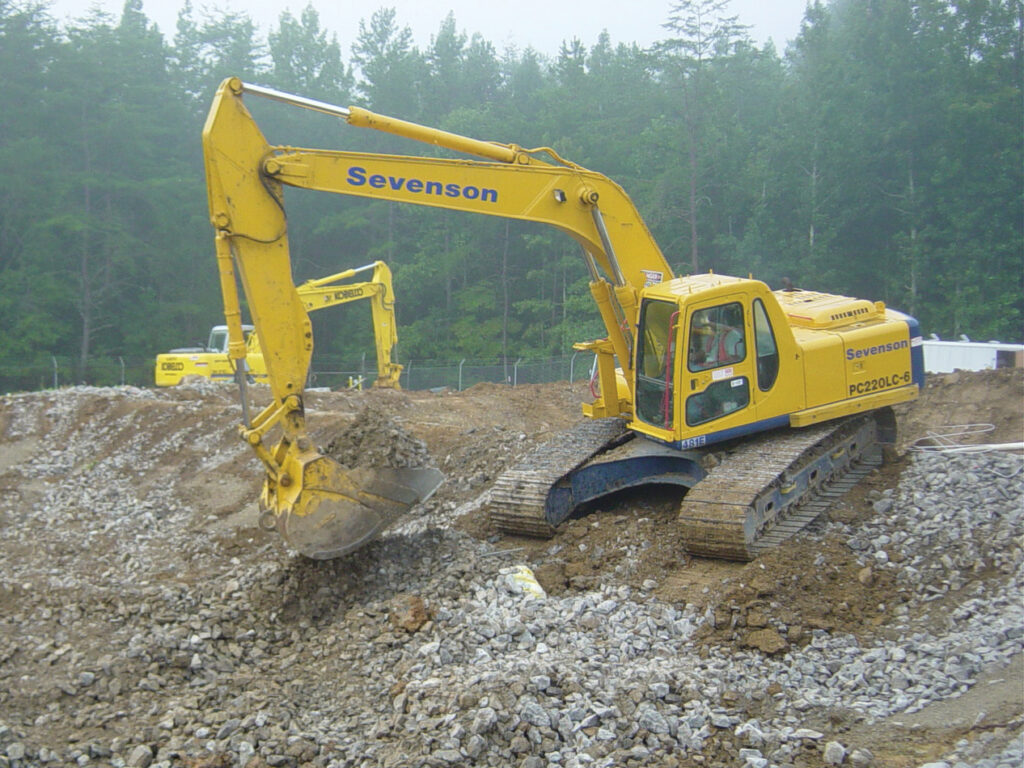
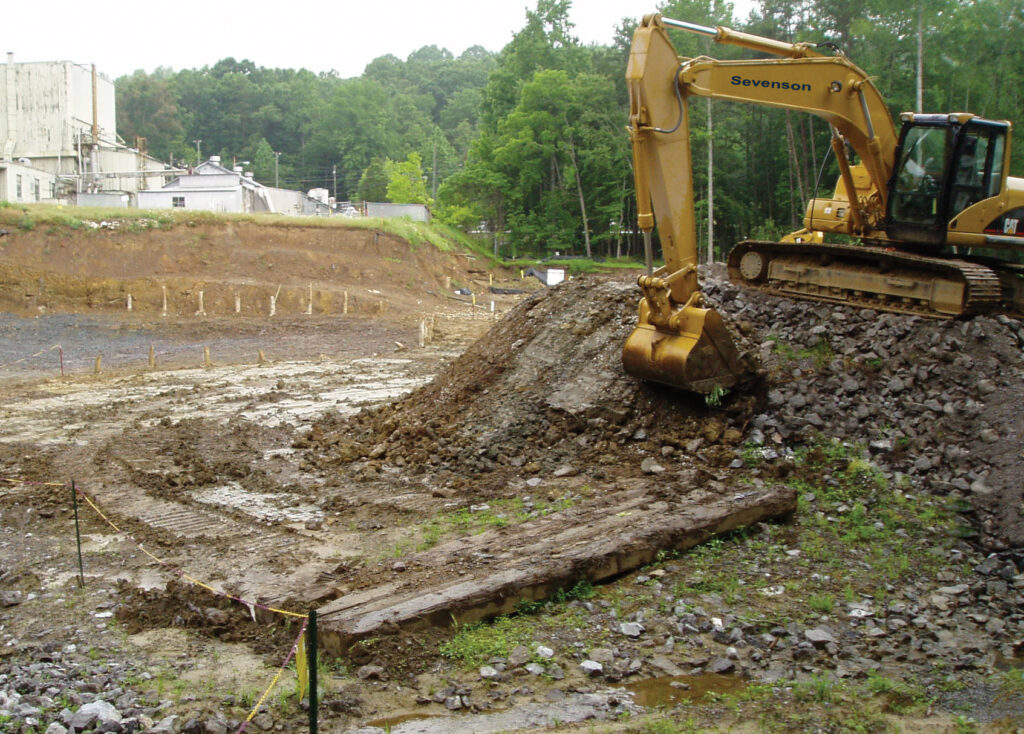
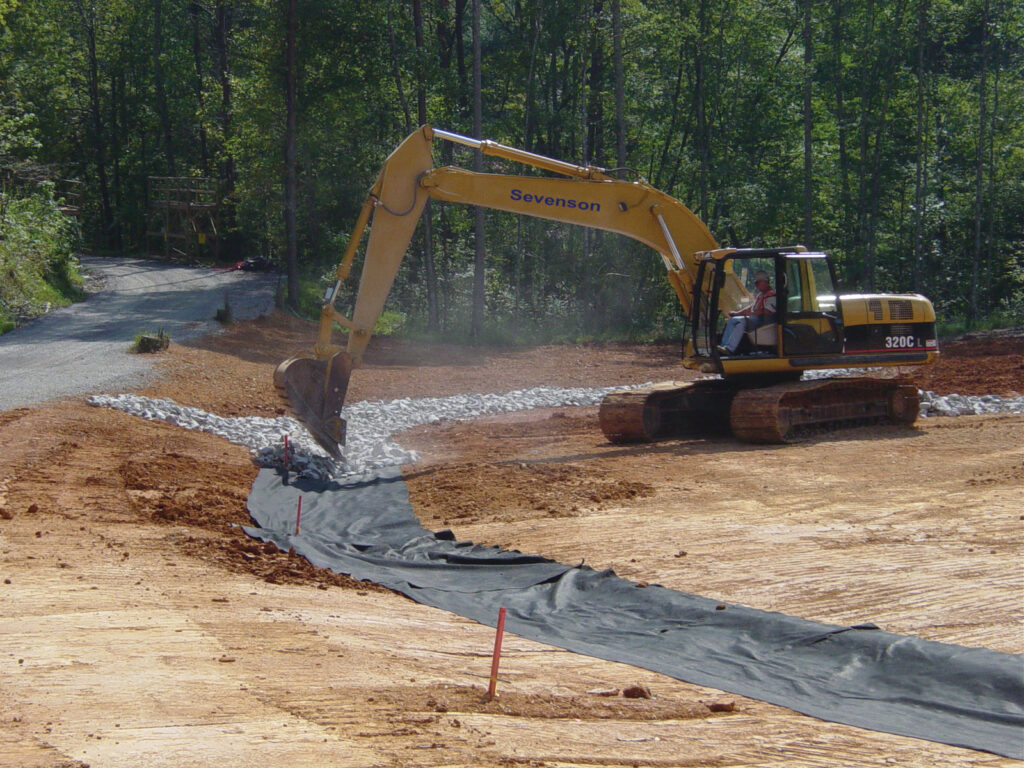
Sevenson performed hydrologic isolation and soil and sediment remediation. Scope of work for hydrologic isolation included constructing multilayer caps; installing stormwater diversion trenches; installing groundwater collection systems; grouting and abandoning 800 wells; developing a 33-acre soil borrow area; relocating infrastructure including Melton Branch and Lagoon Road; and rerouting power lines. For the soil and sediment remediation portion of the project, Sevenson performed excavation of contaminated sediments from four unlined impoundments and stabilization and isolation of 28,000 LF of abandoned waste pipelines and related infrastructure.